Look, I’ll be honest with you. I spent about three weeks last month staring at a spreadsheet, trying to work out if adding solar to our roof was a "sound investment" or just a very expensive way to feel smug about my carbon footprint. As a dad who still does the "lights-off tour" of the house every single evening—I’m looking at you, teenagers—the idea of free electricity is intoxicating. But the real question I kept hitting was this: if we sell in a few years, will the next family actually pay me back for the panels?
The marketing blurb on every installer website promises "increased property value" and "premium buyer interest." But as someone who has dealt with enough home improvements to know that an expensive kitchen doesn't always translate to a higher sale price, I wanted to strip away the jargon. Let’s look at the numbers for the UK in 2026.
The 2026 Energy Landscape: Why Buyers Are Starting to Care
We’ve all lived through the volatility of the last few years. While the price cap has fluctuated, one thing is clear: energy-efficient homes are no longer a "nice-to-have" for the eco-conscious. They are a financial hedge. In 2026, buyers are looking at EPC (Energy Performance Certificate) ratings with the same intensity they used to reserve for the size of the garden.
If you’re selling a house that stays warm for less money, that is a competitive advantage. It’s no longer just about feeling good; it’s about the fact that the buyer knows their monthly overheads are lower than the house down the road. If you’ve got a system installed by a firm registered with MCS (Microgeneration Certification Scheme), you aren’t just selling a roof; you’re selling a power plant.
The Cost Breakdown: What Are We Actually Talking About?
I hate it when installers refuse to give a price until they’ve visited. So, based on current market averages for a standard 3-4 bedroom UK semi-detached home, here is a realistic look at the numbers. Remember: VAT on domestic solar installations in the UK is currently 0%, which is a massive win if you get the paperwork right.
Typical System Cost vs. Generation
System Size Est. Upfront Cost Annual Generation (kWh) Coverage of Family Usage 4kW (Standard) £6,000 - £7,500 3,200 - 3,800 60-70% (with habits) 6kW + Battery £9,000 - £12,000 5,000 - 5,800 80-90% (with storage)Note: These are rough figures. You should always use platforms like YEERS to compare local installers, as prices vary wildly by region and roof complexity.
Does It Add Value? The Blunt Truth
Here is where I lose the "hard-sell" crowd. Will your house value increase by exactly what you spent on the panels? Probably not. If you spend £8,000 on a system, don't expect the estate agent to suddenly add £8,000 to the asking price. That’s not how the market works.
Instead, think of solar panels like a new boiler or a high-spec extension. They add "saleability." In a tough market, if a buyer is choosing between your house (EPC C, solar installed) and the house next door (EPC E, drafty windows), they are going to pick the house that keeps their bills predictable. That reduces your time on the market and prevents those pesky "price chip" negotiations at the final hurdle.
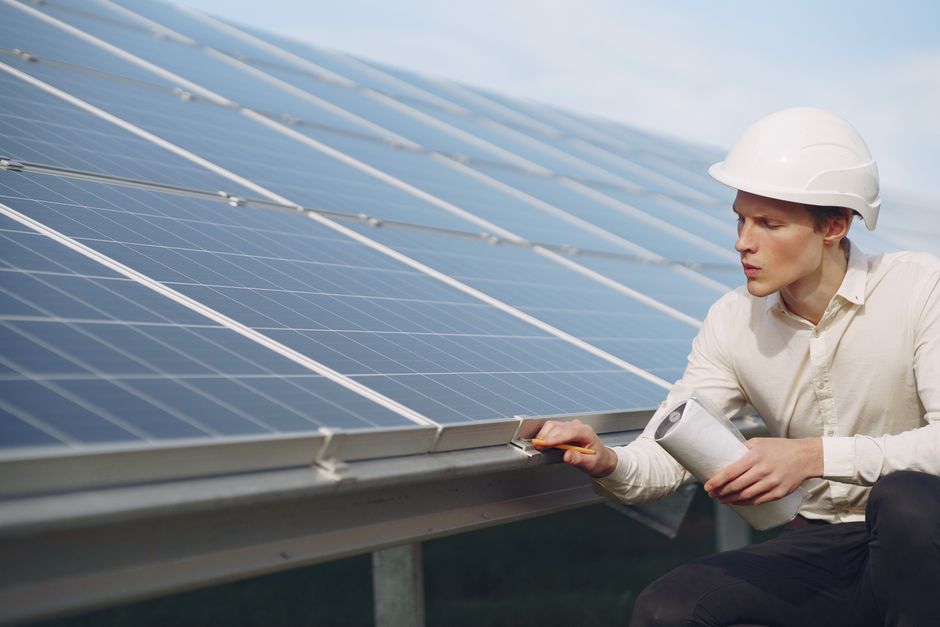
The EPC and Solar Panels: The Secret Weapon
If you are planning to sell, you need an up-to-date EPC. When you have solar panels installed—provided they are MCS certified—your certificate will be updated to reflect the reduction in CO2 emissions. Moving your home from a D to a C, or a C to a B, is the gold standard.
I’ve spoken to enough estate agents to know that when they list a house on Rightmove, they look for any "Unique Selling Point" (USP). "Lower energy bills" is a USP. "Solar panels installed" is a USP. It’s tangible. It’s not just a claim; it’s a hardware upgrade that sits on the roof.
What About the "Free" Options?
You’ve probably seen the ads for the ECO4 scheme. Look, if you qualify for government-backed energy efficiency upgrades, take it. It’s a no-brainer. However, don't expect a free solar setup to add the same value as a privately owned, high-quality system. Sometimes, financed or "rent-a-roof" schemes come with legal strings attached that can complicate the conveyancing process when you eventually sell. My advice? https://reportz.io/finance/how-do-i-turn-3400-kwh-a-year-into-a-real-money-estimate-for-my-bills/ Own the hardware if you can.

Questions You Should Ask Your Installer
Stop letting them blind you with science. Before you sign anything, ask these four questions. If they squirm, find someone else.
"Is the installation MCS certified?" (This is non-negotiable for future insurance and value). "How much electricity will this system *realistically* generate in January in [Your City]?" (They will always show you the summer stats; ignore them. You want to know what it does when it's grey and drizzly). "What happens to the warranty if I sell the house?" (Good systems have transferable warranties. That’s a massive selling point for your buyer). "Can I easily monitor this via an app?" (If you can't show a prospective buyer your app and say, "Look, we generated this much last month," you’re losing a great sales tool).The Verdict: Is It Worth It?
If you are planning to move in six months, adding solar panels is likely not a smart financial play—you won't have the time to recoup the https://dibz.me/blog/solar-panel-mistakes-what-i-learned-before-spending-my-hard-earned-cash-1115 investment through energy savings. But if you are planning to stay for 3-5 years or more? You’re going to save thousands on electricity, you’ll insulate yourself from price spikes, and you’ll have a much easier time convincing a buyer that your home is a solid, future-proofed investment.
Don't look at it as a "profit-maker." Look at it as a way to lower your household risk profile. In 2026, a house that makes its own power is a house that’s ready for the future. And in my experience, that’s exactly the kind of house buyers are looking for.
Disclaimer: I am just a dad with a calculator, not a financial advisor. Energy prices change, and individual house performance varies. Always double-check your own numbers before spending your hard-earned cash!